
1. Understanding the Cable Installation Process Before Purchasing
2. Step 1: Stripping – Avoid Damaging the Conductor
3. Step 2: Cutting – Ensure a Clean and Even Cut
4. Step 3: Crimping – Ensure a Secure Terminal Connection
5. Differences Between Conventional Methods and Tai-Chen Professional Tools
6. Enhance Project Competitiveness by Choosing the Right Tools
1. Understanding the Cable Installation Process Before Purchasing
Cables play a critical role in power engineering, communication infrastructure, and large-scale industrial equipment installation. From energy transmission to signal stability, every detail directly affects system reliability and service life.
For procurement professionals, selecting the right installation tools is not only related to cost control, but also affects project schedules and future maintenance efficiency.
A complete cable installation process generally includes three key steps:
Stripping : Precisely removes the outer jacket while keeping the conductor intact.
Cutting : Cuts cables or conductors to the required length according to project needs.
Crimping : Uses terminals and professional crimping tools to ensure a secure and reliable electrical connection.
If errors occur in any of these three steps, such as stripping too deeply and damaging the conductor, making uneven cuts that lead to poor terminal contact, or creating loose crimps that cause overheating, potential safety risks may arise. This is why choosing the right tools remains a key priority in engineering procurement.
2. Step 1: Stripping – Avoid Damaging the Conductor
Cable stripping is the starting point of the installation process and is also one of the most easily overlooked steps. Conventional hand knives may damage the conductor due to poor force control, or leave residual insulation behind if stripping is incomplete. These issues can increase contact resistance, which may further lead to overheating and insulation aging.
For small-diameter wires, wire strippers are commonly used to remove insulation quickly. However, for large-cross-section cables and high-voltage applications, professional tools such as high-voltage cable stripping knives are required to precisely control blade depth and prevent accidental conductor damage.
Tai-Chen Machinery’s cable stripper series includes:
TSC-25: Suitable for cables with an outer diameter of Φ25–Φ38 mm, weighing only 0.68 kg.
TSC-40: Suitable for cables with an outer diameter of Φ38–Φ50 mm, weighing 1.22 kg.
These products feature an adjustable screw-control design for precise cutting depth adjustment. Combined with a bearing-assisted rotating structure, they significantly reduce operating resistance. Even when used on rigid or high-voltage cables, they provide smooth, stable cutting surfaces and create a solid foundation for subsequent installation steps.
3. Step 2: Cutting – Ensure a Clean and Even Cut
After stripping is completed, the next step is to cut the cable or metal conductor. Poor cutting quality may result in uneven end surfaces, which can affect the fit and reliability of the subsequent crimping process.
Traditional cable cutters are portable and convenient, but they may leave rough cuts or burrs. Professional cable cutting tools, on the other hand, use hydraulic or mechanical assistance to ensure clean, even cuts without deformation.
For example:
Hydraulic Cable Cutter : Suitable for cutting large-section aluminum and copper conductors, making it ideal for heavy-duty applications.
Cordless Cutting Tool : Ideal for job sites that require high mobility, allowing multiple cuts to be completed quickly while maintaining accuracy.
According to engineering application cases, the use of professional cable cutting tools can reduce cutting time by an average of 40% and significantly lower rework rates. For construction sites involving multiple parallel processes, these tools can greatly improve overall efficiency.
4. Step 3: Crimping – Ensure a Secure Terminal Connection
Crimping is the final line of defense in electrical installation. If performed improperly, terminal connections may overheat due to excessive contact resistance and may even lead to safety incidents.
For small-section wires, terminal crimping tools are commonly used to ensure a secure connection between the wire and terminal. For large-section cables and high-voltage applications, however, professional hydraulic crimping tools are required to maintain long-term connection stability.
Tai-Chen offers a wide range of options:
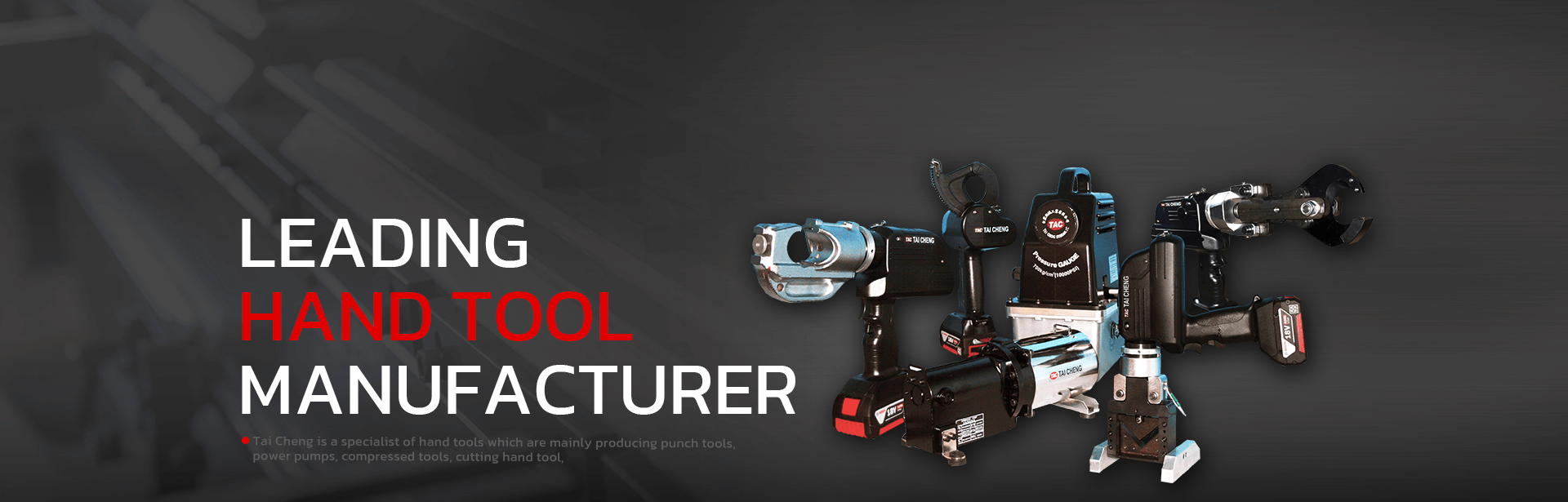
Cordless Hydraulic Crimping Tool : Suitable for flexible on-site operations and equipped with an overload protection mechanism.
Manual Hydraulic Crimping Tool : Lightweight and portable, ideal for maintenance work or small-scale applications.
Terminal Crimping Module : Can be used with multifunctional hydraulic power units for a wider range of applications.
These tools provide stable pressure output to ensure terminals are securely crimped and do not loosen. Based on practical application data, using professional crimping tools can reduce failure rates by more than 50%, significantly improving overall system safety.
5. Analysis of the Differences Between Conventional Tools and Tai-Chen Professional Tools
By considering the three key steps—stripping, cutting, and crimping—as part of one complete workflow, the value of professional tools becomes much clearer:
| Process | Issues with Conventional Tools | Advantages of Professional Tools |
|---|---|---|
| Stripping | Blade marks and conductor damage | Precise depth control and conductor protection |
| Cutting | Uneven cuts and time-consuming operation | Clean cutting surfaces and improved efficiency |
| Crimping | Risk of loosening and overheating | Stable pressure output and secure contact |
These advantages are ultimately reflected in two key aspects:
Construction Efficiency: Shortens working time by 20–30% and reduces labor costs.
Project Quality: Reduces rework and maintenance needs while improving system stability.
5. Analysis of the Differences Between Conventional Tools and Tai-Chen Professional Tools
When the three critical processes of stripping, cutting, and crimping are considered as part of a single workflow, the value of professional tools becomes much more apparent:
| Process | Challenges with Conventional Tools | Advantages of Professional Tools |
|---|---|---|
| Stripping | Blade marks and conductor damage | Precise depth control and conductor protection |
| Cutting | Uneven cuts and time-consuming operation | Clean cuts and improved efficiency |
| Crimping | Loose connections and overheating risks | Stable pressure and secure electrical contact |
These advantages ultimately translate into two key benefits:
Improved Installation Efficiency: Reduces labor time by 20–30% and lowers workforce costs.
Enhanced Project Quality: Minimizes rework and maintenance requirements while improving overall system reliability.
6. Enhance Project Competitiveness Through the Right Tool Selection
For engineering procurement teams and contractors, investing in the right tools delivers far greater long-term value than simply focusing on the lowest initial cost.
For many years, Tai-Chen Machinery has specialized in professional installation and maintenance tools, offering comprehensive solutions that include high-voltage cable stripping knives, cable cutting tools, and terminal crimping tools. These solutions help businesses achieve the ideal balance between operational efficiency and project quality.
If you are planning a new project or looking to improve on-site productivity and tool performance, we recommend contacting the Tai-Chen team for professional consultation and customized recommendations.